When we think about skincare, our minds often jump immediately to the face—the delicate area around the eyes, the clarity of the forehead, or the hydration of the cheeks. However, one of the most vital areas of skin on the entire human body is often hidden beneath a canopy of hair. The scalp is a complex, high-follicle-density environment that requires just as much medical-grade attention as any other part of the integumentary system. For many, the first sign of a scalp issue isn't a blemish or a dry patch, but a change in the hair itself. Thinning, shedding, and a loss of luster are frequently the external symptoms of underlying dermatological conditions.
Understanding the health of your scalp is the first step toward reclaiming the density and strength of your hair. Many common skin conditions specifically target the scalp, leading to inflammation that can stifle hair growth or even cause permanent damage to the follicles. Conditions like androgenetic alopecia, seborrheic dermatitis, and telogen effluvium are not just "hair problems"; they are skin conditions that require targeted, pharmaceutical-grade interventions to resolve. While the market is flooded with over-the-counter shampoos and serums that promise miracles, true restoration usually requires a multi-faceted approach that addresses cellular turnover, follicular stimulation, and the reduction of inflammatory markers.
One of the most prevalent issues individuals face is androgenetic alopecia, commonly known as male or female pattern baldness. This condition is driven by a combination of genetics and hormones, specifically the sensitivity of hair follicles to dihydrotestosterone (DHT). Over time, this sensitivity causes the follicles to "miniaturize," producing thinner, shorter, and more brittle hairs until the follicle eventually stops producing hair altogether. Because this is a progressive condition, early intervention is critical. To combat this, clinicians often turn to potent topical solutions that can alter the growth cycle of the hair.
Another significant contributor to hair loss that is often overlooked is scalp inflammation. When the skin on the head becomes inflamed—whether due to psoriasis, seborrheic dermatitis, or environmental stressors—it creates a hostile environment for hair. Inflammation can lead to oxidative stress, which damages the DNA of the hair follicle cells. This is where professional-grade products distinguish themselves from standard retail options. By incorporating anti-inflammatory agents and antioxidants directly into a hair repair regimen, it is possible to soothe the skin and protect the delicate biological machinery responsible for hair production.
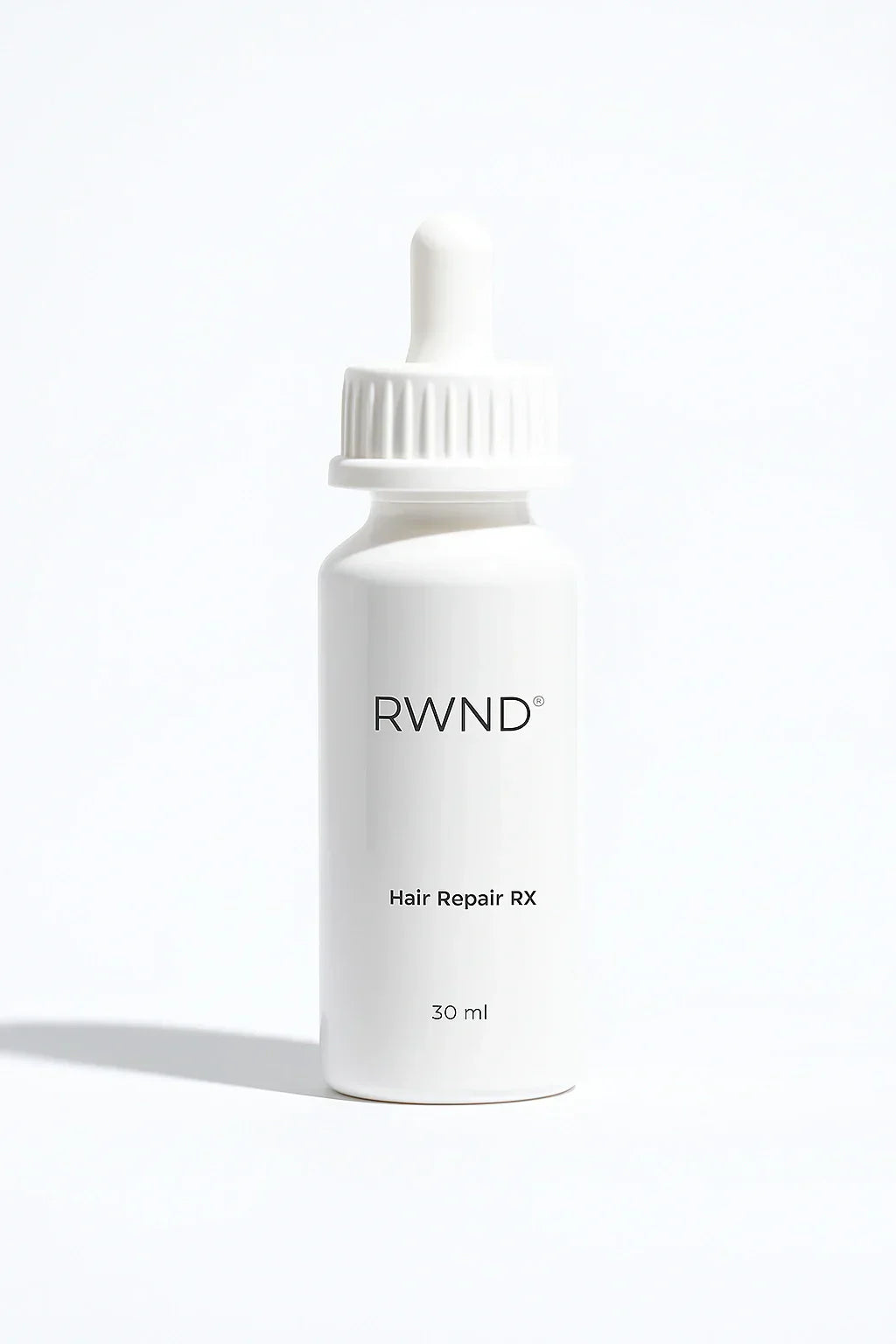
For those navigating these challenges, a comprehensive solution is required. The RWND Hair Repair RX is specifically engineered to address these complex scalp and hair concerns. This is not a simple cosmetic serum; it is a high-performance prescription treatment backed by dermatological science. It works by combining multiple clinically supported ingredients into a single topical compound designed to treat the scalp as the foundation for healthy hair.
The efficacy of this treatment lies in its sophisticated ingredient profile. It utilizes Minoxidil, the gold standard for stimulating follicular activity and prolonging the anagen (growth) phase of the hair. However, what sets it apart is the inclusion of Tretinoin. Often recognized for its role in anti-aging facial skincare, Tretinoin on the scalp serves to improve cellular turnover and significantly enhance the penetration of other active ingredients. By clearing away dead skin cells and optimizing the scalp's surface, Tretinoin ensures that the Minoxidil and other nutrients can reach the follicle more effectively.
Furthermore, the formula addresses the "silent killer" of hair growth: inflammation. By including Fluocinolone, a corticosteroid that reduces redness and flaking, the RWND formula calms the scalp, allowing the follicles to focus on growth rather than defense. This is complemented by Melatonin, which acts as a powerful antioxidant to shield the hair from oxidative damage, and Biotin, which provides the structural support needed to strengthen the hair shaft from the inside out.
The journey to healthier hair is rarely a sprint; it is a marathon that requires consistency and the right medical tools. Because the hair growth cycle takes months to transition, results from advanced treatments like RWND typically begin to manifest between 8 to 12 weeks, with full benefits appearing after half a year of dedicated use. This timeline reflects the biological reality of how skin and hair regenerate. By treating the scalp with the same level of sophistication we apply to our faces, we can reverse the signs of thinning and restore the confidence that comes with a full, healthy head of hair. Whether you are dealing with early-stage thinning or stress-related shedding, the key is to move beyond temporary fixes and embrace a prescription-strength, science-forward approach to hair repair.